
If you’re thinking about biotin for thinning hair or brittle nails, you need a plan, not hype. Below is a practical, four-week roadmap that shows when vitamin B7 (biotin) makes sense, what dose ranges are reasonable, how to avoid lab-test pitfalls, and what results you can reasonably expect.
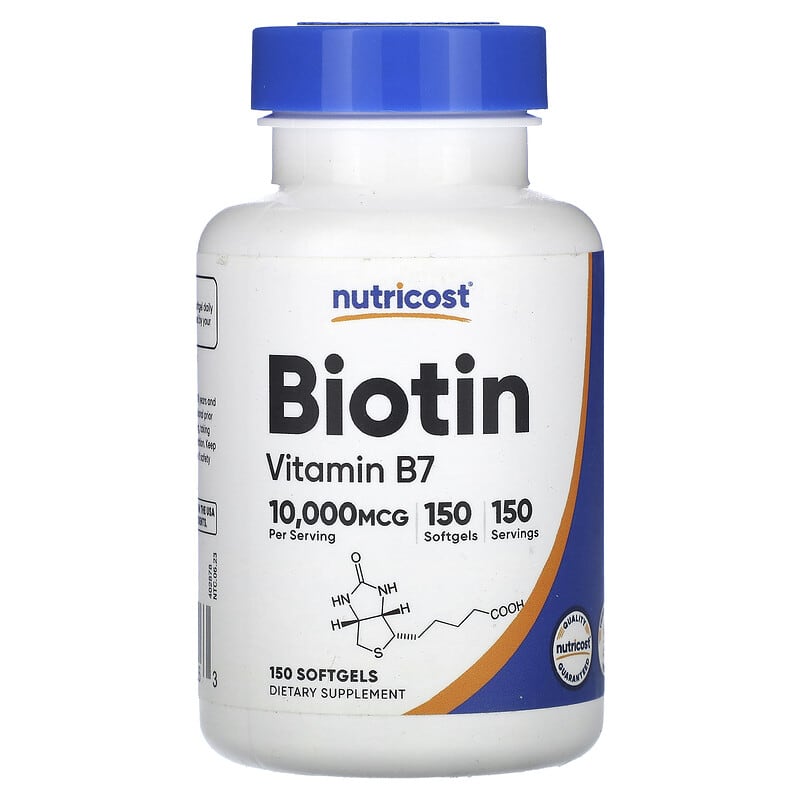
First, know when biotin helps—and when it doesn’t
Biotin deficiency is uncommon, but it happens. You’re more likely to benefit if you have:
- Long-term intake of raw egg whites (avidin binds biotin)
- Certain genetic issues like biotinidase deficiency (diagnosed by a physician)
- Chronic alcohol use, some anticonvulsant medications, or malabsorption
For most people with hair shedding, biotin is not a magic fix. Iron deficiency, thyroid problems, rapid weight loss, stress, and postpartum changes drive far more cases. If hair loss is new or dramatic, get basic labs (CBC, ferritin, TSH at minimum) before you assume biotin will solve it.
The 30‑day biotin plan
Day 0: Quick safety check
- Biotin can interfere with blood tests (including heart-damage markers and thyroid tests). If you have labs scheduled, talk to your clinician about stopping biotin 48–72 hours beforehand (up to 7 days if you take mega-doses).
- If you’re pregnant, nursing, have kidney disease, or take multiple meds, ask your clinician before starting any high‑dose supplement.
Week 1: Food-first, then supplement if needed
Start by improving dietary biotin. The adult adequate intake is about 30 mcg/day. These foods help:
| Food | Approximate biotin (mcg) | Notes |
|---|---|---|
| Cooked egg (1 large) | 10 | Cooked beats raw (avidin in raw egg whites binds biotin) |
| Beef liver (3 oz) | 30–60 | One of the richest sources |
| Salmon (3 oz) | 5 | Also provides protein and omega‑3s |
| Sunflower seeds (1/4 cup) | 6 | Easy snack or salad topper |
| Sweet potato (1 medium) | 2–4 | Plus beta‑carotene for skin |
| Almonds (1/4 cup) | 4 | Pairs well with fruit for a snack |
If your diet is erratic or you have signs of deficiency (scaly rash, brittle nails, thinning brows), add a conservative supplement. A typical, sane range is 1,000–3,000 mcg/day to start. Higher doses (5,000–10,000 mcg) are common on store shelves, but more is not always better—and it raises the risk of skewing lab results.
Week 2: Set expectations and track what matters
- Hair: New growth from follicles takes months. In 30 days, don’t expect thicker ponytails; look for slightly less shedding or improved texture near the roots.
- Nails: Fingernails grow ~3 mm/month. You might notice fewer splits or less peeling toward the free edge by the end of the month, but full benefits can take 8–12 weeks.
- Skin: Biotin may help some people with dryness, but acne improvements are inconsistent. If breakouts worsen, reassess your dose or stop.
Week 3: Fine‑tune dosage and synergy
If you tolerate 1,000–3,000 mcg well and want a nudge, you can stay the course or inch up to 5,000 mcg/day. Pair biotin with protein (keratin is protein), iron if you’re deficient, zinc if labs or diet suggest you’re low, and omega‑3s. Don’t shotgun supplements—match them to a need.
Week 4: Review, don’t “mega-dose”
After four weeks, keep what’s working. If you’ve seen no change in shedding or nail brittleness, biotin may not be your bottleneck. Consider labs (including iron/ferritin and thyroid) and review medications (e.g., retinoids, isotretinoin, or antiandrogens) with a clinician. You can stay on a food‑first plan plus a moderate supplement, or taper off to diet-only if you’ve achieved stability.
How to pick a biotin supplement
- Third‑party tested: Look for USP, NSF, or Informed Choice marks.
- Simple formula: Avoid proprietary blends. You want to know exactly how much biotin you’re taking.
- Form factor: Softgels and capsules beat sugar‑heavy gummies. If you choose a 5,000–10,000 mcg product, consider using it every other day.
- Label honesty: Check serving size—some brands count two or three gummies as “one serving.”
The lab-test problem you can’t ignore
High‑dose biotin can falsely alter results from immunoassays, including troponin (heart attack testing), thyroid labs, hormone panels, and even vitamin D. To be safe:
- Tell your clinician you take biotin and how much.
- Pause 48–72 hours before bloodwork (longer for very high doses) unless your clinician advises otherwise.
- If an emergency lab contradicts your symptoms, mention your biotin use immediately.
Common mistakes to avoid
- Assuming all hair loss is a vitamin problem: Rule out iron deficiency and thyroid issues.
- Chasing “10,000 mcg or bust”: Start modestly; escalate only if needed.
- Ignoring protein: Hair is built from amino acids. Aim for 0.8–1.2 g/kg/day protein unless otherwise directed.
- Expecting 2‑week miracles: Nails and hair take time; evaluate at 8–12 weeks for a true verdict.
- Forgetting medication conflicts: Anticonvulsants can reduce biotin; retinoids can affect skin and hair in other ways. Coordinate with your clinician.
Myths vs. reality in one glance
- Myth: Biotin grows hair faster. Reality: It supports normal growth if you’re low; it won’t override genetics or hormones.
- Myth: More biotin equals better nails. Reality: There’s a ceiling; beyond that, you mainly increase the risk of lab interference.
- Myth: Any product labeled for “hair, skin, nails” works. Reality: Many blends underdose key nutrients or add fillers you don’t need.
Don’t get sidetracked while researching
The term biotin’s nickname is short and catchy, so your searches might surface unrelated brands and topics—everything from fashion to gaming using the same letters. If you stumble on something like B7 that clearly isn’t about nutrition, ignore it and stick to food composition data, clinical guidance, and reputable supplement quality standards.
Watch: Quick primer on vitamin B7
If you prefer a visual refresher before starting your 30‑day plan, this short explainer covers the essentials.
Bottom line
For brittle nails or increased shedding, get the basics right first: protein, iron status, thyroid health, and a diet that naturally supplies biotin. If you add a supplement, start modestly (1,000–3,000 mcg/day), track changes for 8–12 weeks, and pause before lab tests. Biotin can help the right person—but only when placed in a sensible, whole‑health plan.